

Destinations

Feb 9, 2026
Chasing the Northern Lights: When and Where to See Them in Iceland
Amanigo Travels Team
Iceland
Destinations
Northern Lights

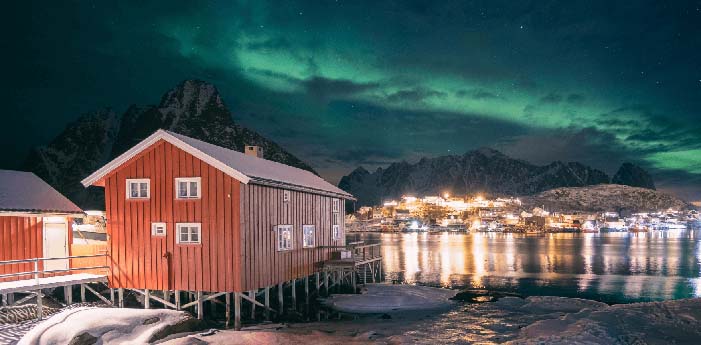
The Aurora Borealis is one of nature's most spectacular displays, and Iceland is among the best places on Earth to witness it - if you know when and where to look.
1. The Best Months for Aurora Viewing
Northern Lights season in Iceland runs roughly from late August through mid-April, when nights are long and dark enough for the aurora to be visible. September and March are often highlighted for combining reasonable temperatures with strong viewing odds.
Summer months are effectively off the table - Iceland's near-constant daylight from May through July means the sky simply never gets dark enough to see the lights, regardless of solar activity.
2. Understanding Aurora Forecasts
Aurora visibility depends on clear skies and solar activity, both of which are tracked through Iceland's official aurora forecast, which rates activity on a scale alongside cloud cover predictions for different regions.
A high aurora forecast rating means nothing if the sky is covered in cloud - checking both factors together, not just the activity index, gives a far more accurate picture of your actual chances that night.

“You don't chase the Northern Lights so much as you wait for them, patiently, under a sky worth the cold.”



3. Where to Go for the Best Views
Getting away from Reykjavik's light pollution dramatically improves visibility. The Golden Circle region, Þíngvellir National Park, and the south coast near Vík are all popular for their dark skies and easy access from the capital.
For dedicated aurora hunters, guided tours that chase clear-sky pockets across the island offer significantly better odds than staying in one fixed location and hoping for the best.
4. What to Wear and Bring
Aurora viewing means standing still outdoors for extended periods in freezing temperatures, so proper layering matters more than almost anything else - thermal base layers, a windproof outer shell, and insulated boots are non-negotiable.
A tripod and a camera capable of long-exposure shots will capture the lights far better than a phone camera alone, though modern smartphones with night mode have improved considerably.
5. Patience Is Part of the Experience
The aurora doesn't perform on a schedule - some nights deliver a dramatic display within minutes, others require hours of waiting for a brief, faint show. Building flexibility into your itinerary improves your odds significantly.
Multi-night stays give you several chances rather than pinning everything on one unpredictable evening - a strategy worth prioritizing over a single rushed viewing attempt.
6. Book a Guided Experience
Local guides know current conditions, the best current viewing spots, and how to read shifting weather patterns in real time - advantages that are difficult to replicate on a self-planned trip.
Amanigo Travels' Iceland Northern Lights package includes guided aurora excursions timed around the season's best viewing windows, taking the guesswork out of the chase.


